Preserving Biodiversity in the Heart of the Selous-Niassa Corridor Explore one of Africa's largest wildlife corridors, home to elephants, buffalos, and diverse ecosystems nurtured through sustainable conservation efforts. Explore Wildlife through Ecotourism and Photography Capture breathtaking moments across our designated photography zones and experience the harmony of nature through sustainable tourism activities.

Discover Kimbanda WMA

Kimbanda Wildlife Management Area (WMA), located in the Namtumbo District of Tanzania's Ruvuma Region, is a vital conservation area within the Niassa-Selous Trans-frontier Conservation Area. Established to address challenges like poaching and habitat destruction, Kimbanda plays a crucial role as a wildlife migration corridor and biodiversity hotspot. Our mission is to protect this rich natural heritage while empowering local communities through eco-tourism and sustainable development. By balancing conservation with human well-being, Kimbanda aims to inspire global efforts in community-driven environmental stewardship, ensuring a future where people and nature thrive together.
WHY VISIT KIMBANDA WMA

Community Ownership

Local villages are at the heart of decision-making and benefit directly from tourism and conservation efforts.

Rich Biodiversity

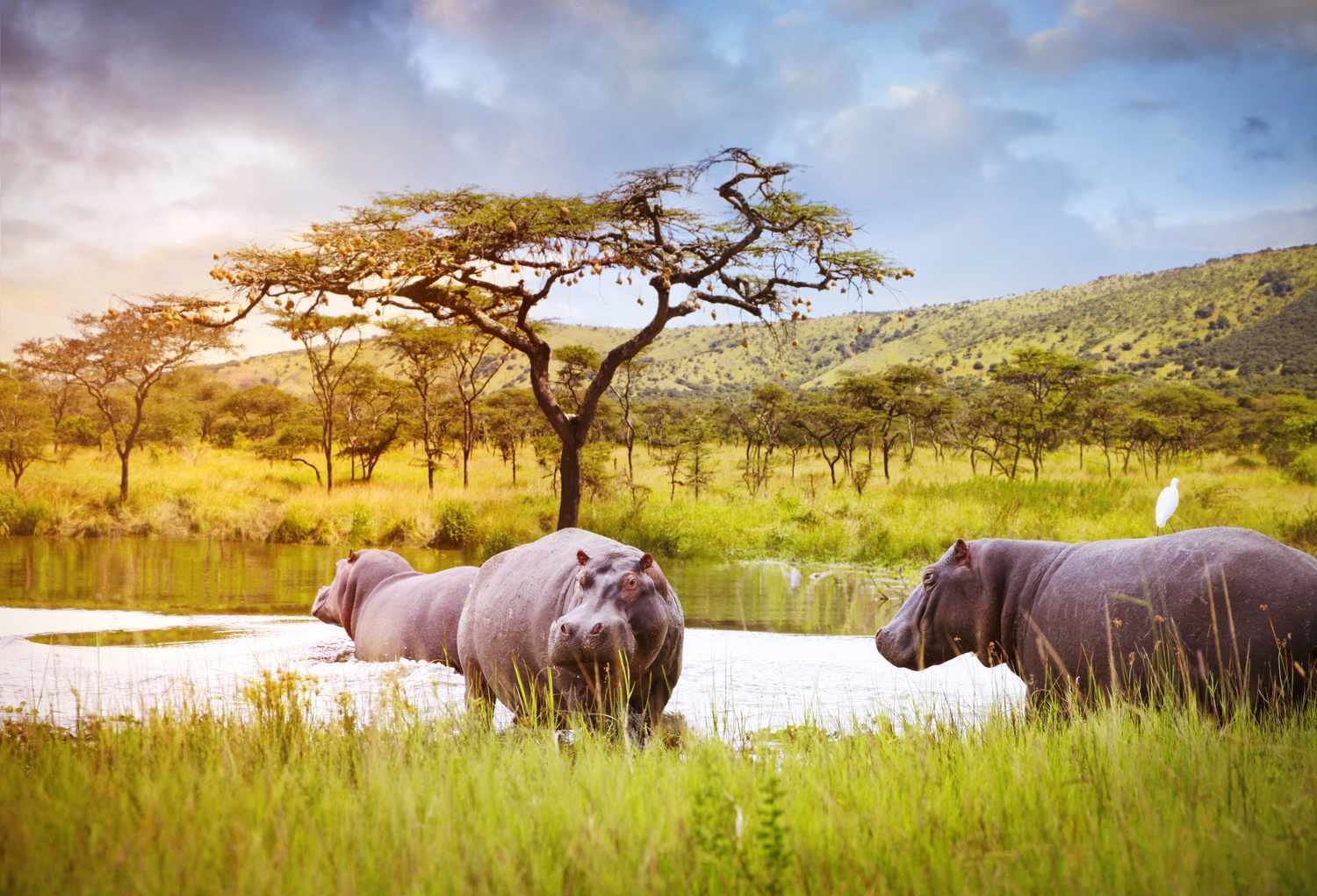
Kimbanda is home to a wide range of animals, including elephants, lions, leopards, giraffes, antelopes, and over 300 species of birds.

Diverse Habitats

From grassy savannahs to lush riverbanks, Kimbanda’s landscapes support a variety of ecosystems and wildlife.

Cultural Heritage

Visitors can immerse themselves in the traditions and lifestyles of the local communities, who have lived in harmony with nature for generations.

WHAT WE DO

Wildlife Protection

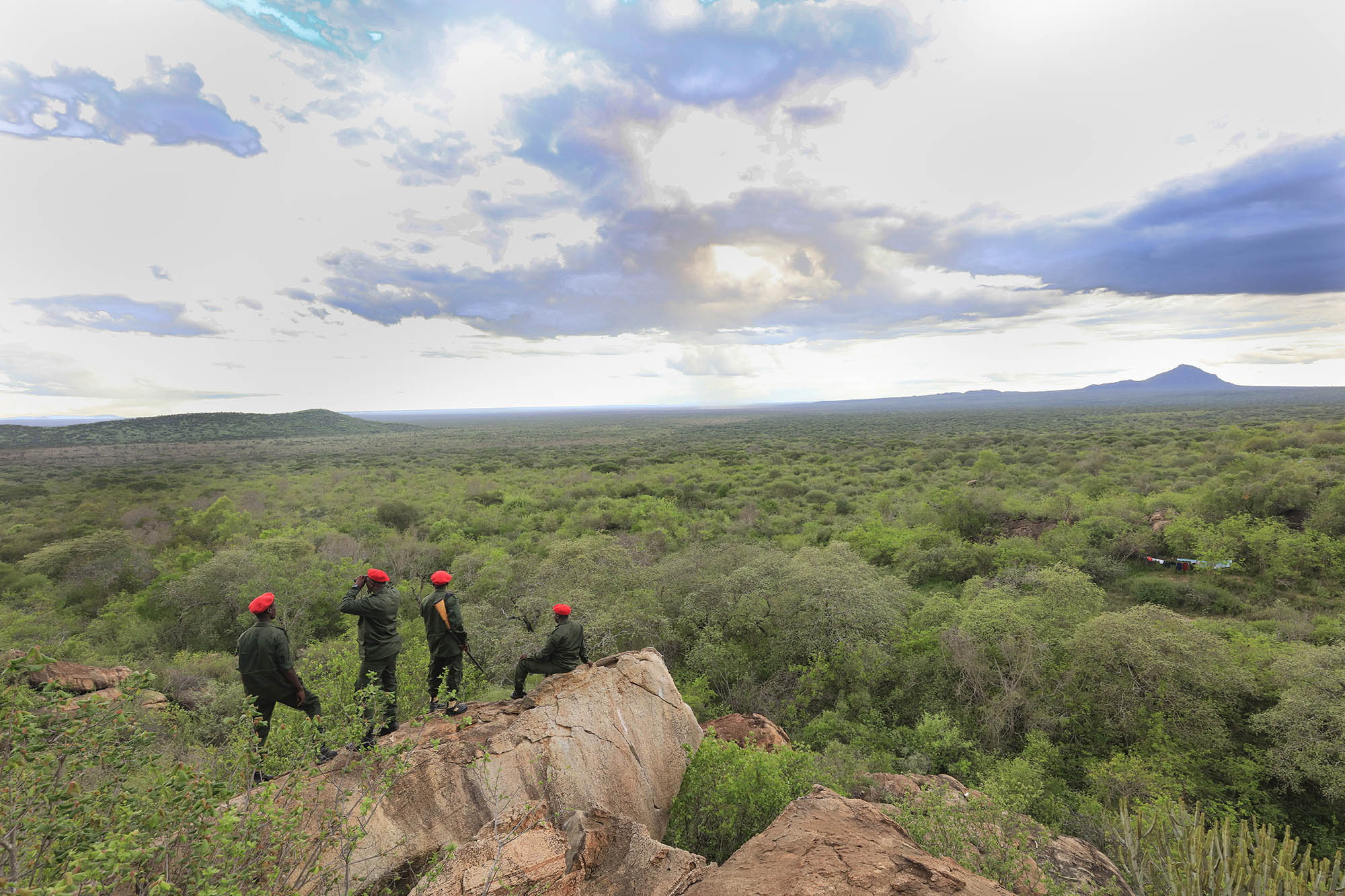
Waga WMA actively protects wildlife and their habitats through Village Game Scouts (VGS) and encourages community participation in conservation practices.


Tourism Hunting

In partnership with Wembere Hunting Safaris Ltd., Waga WMA hosts sustainable tourism hunting activities. Revenue generated contributes to operational costs and community development, including educational projects and infrastructure improvements.


Benefit Sharing

Waga WMA shares benefits with member villages by funding projects like constructing healthcare facilities, community offices, and improving schools. Revenue distribution ensures the local government, communities, and investors all benefit equitably.


PROJECTS

We collaborate with conservation partners and stakeholders to implement key initiatives:

Illegal Wildlife Trade (IWT) Project

As part of the Ruaha-Rungwa ecosystem, Waga WMA benefits from the five-year IWT project (2022–2027), aiming to combat poaching and illegal wildlife trade through integrated approaches supported by UNDP and GEF.

Carbon Credit and Beekeeping Initiatives

Exploring sustainable revenue options like carbon credit trading and beekeeping to ensure long-term financial independence.

OUR PARTNERS

TOP